
Independent hands-on · dated · evidence attached
AI tool comparisons and reviews, tested by hand
We break AI tools so you don’t have to trust the control panel.
We sign up, run real tasks, screenshot what happens and write down what the tool got wrong. Every review and comparison shows the plan we used, the date and the evidence, plus a «Safe with your data» check read from the tool’s own policy.
FAULT FOUND
Latest tests
All tool reviews →
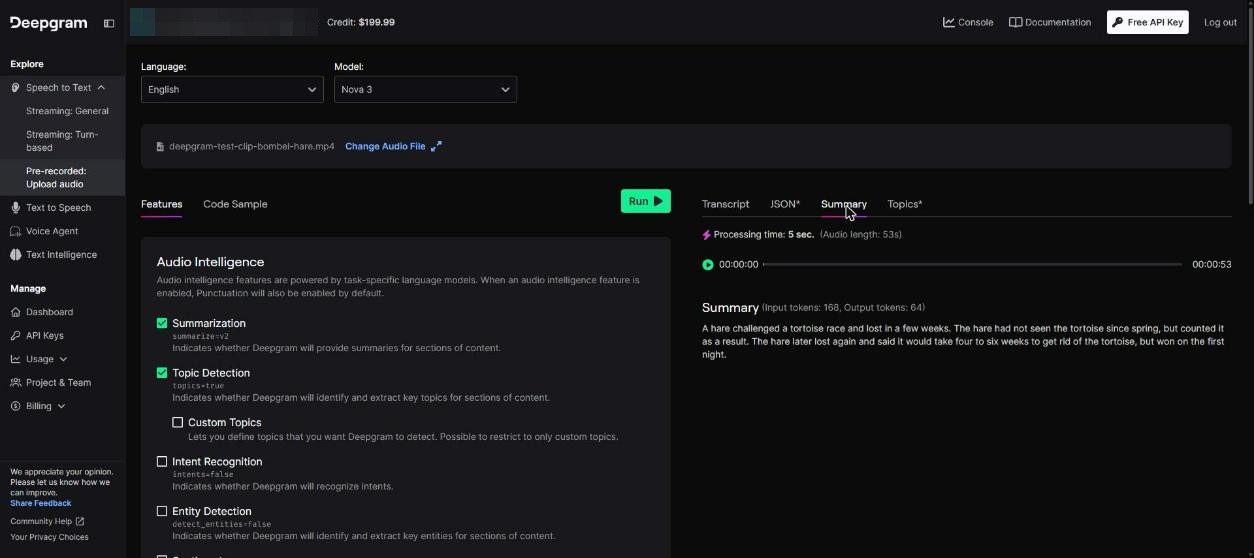
Deepgram
Every word right on our clip. The AI summary added an ending that isn’t in the audio.
Read the test →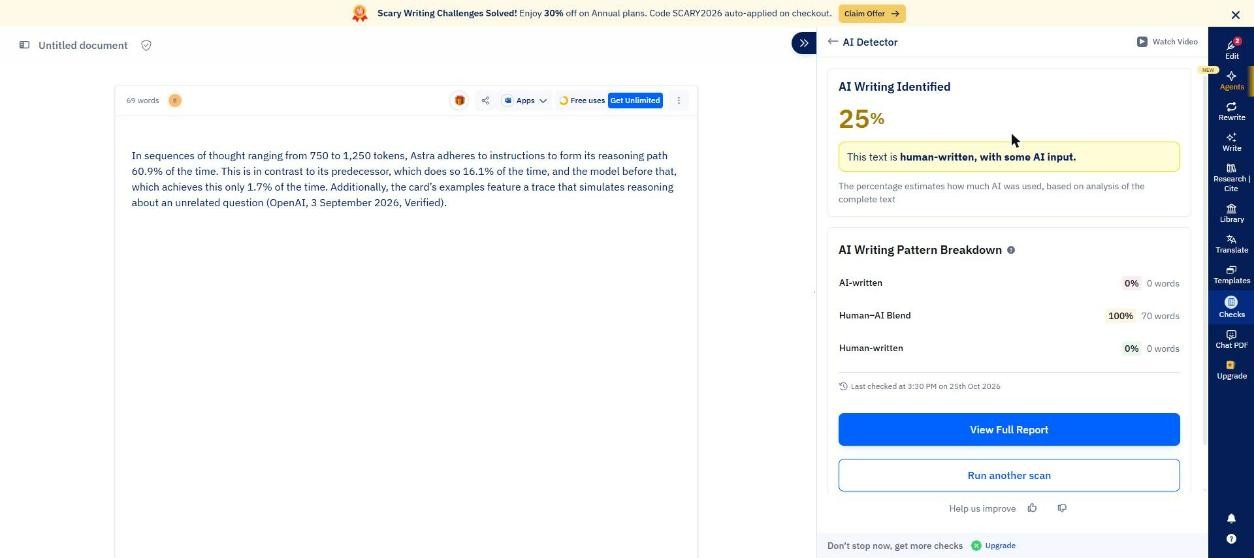
Paperpal
Its detector flagged pure AI text at 100%. One click of its own rewriter, and the same text scored 25%.
Read the test →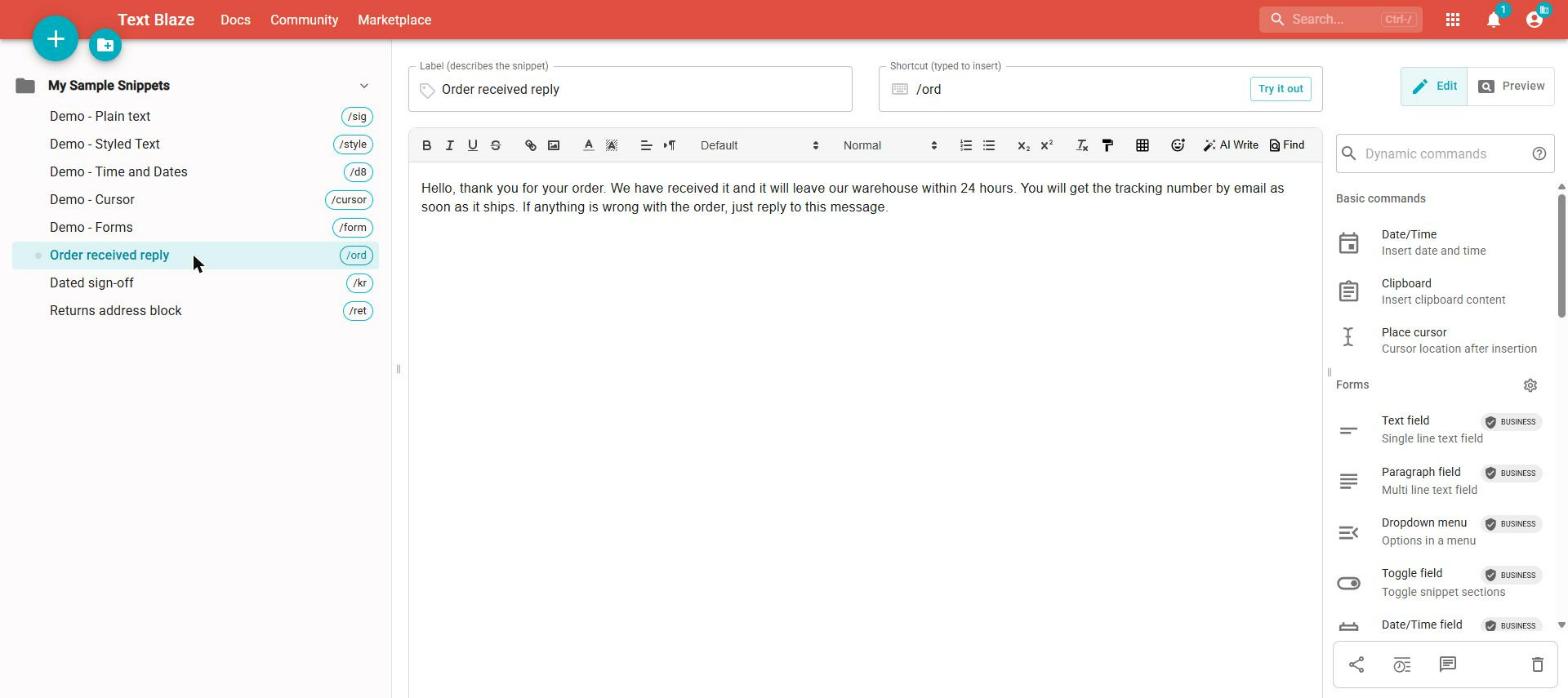
Text Blaze
Three snippets expanded instantly on an outside page. Forms are on the paid plan only.
Read the test →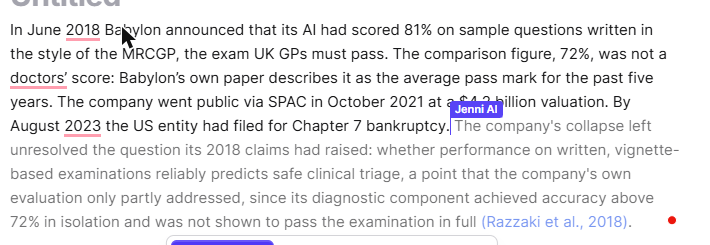
Jenni AI
Its autocomplete cited a real paper and still bent one of our numbers. ChatGPT found better sources in half the time.
Read the test →The question nobody independent answers
Is it safe with your data?
Search «is [tool] safe» and the top answers are written by the tool’s rivals or by the tool itself. Every BrokenCtrl review carries a «Safe with your data» check: what the tool keeps, whether it trains on your content, and how to delete it.
Types of AI
All types →The record · AI ethics
Before we tested the tools, we tested the companies.
Case files on what AI labs say versus what they do, frameworks for spotting the gap, and governance guides for teams putting AI into production. Sourced, dated, and labelled Verified, Probable or Unverified.